Thursday, 19 December 2019

Christmas blogging break

As usual, I'm going to take a break for a week or so over Christmas unless something significant happens. Thanks for reading the blog this year. 
I will be back in the New Year.
Here's a suitably festive image from the great Ronald Lampitt...

Image result for lampitt ronald

Wednesday, 18 December 2019

Moby Duck lesson update...

Flip flop story...

Saturday, 14 December 2019

Christmas Trees - Real or Fake

Time for the old classic again...


I also talked about the tree I bought, which had a label on it which explained exactly where it was grown - right here in the video below:


Thanks to Helen Nurton for the lesson she shared some years ago that forms the basis of this.

Friday, 13 December 2019

TeachMeet Geography Icons

The third event in the TeachMeet Geography Icons series has just been announced. It's the 20th of June 2020.
You can also submit a proposal to speak using the link below.

I was privileged to be the Keynote speaker of the first event in 2018. I shall put this in my calendar for next year.

Monday, 9 December 2019

McDonalds Franchise Openings

McDonalds Franchise Openings from eric socolofsky on Vimeo.

Since its first franchise opening in Des Plains, Illinois, in 1955, McDonalds has expanded to well over 30,000 locations worldwide.
This animation chronicles the spread of McDonalds across the globe.
The data used for this animation were taken from mcdonalds.com and mcspotlight.org, and were current up to the year 2000.

Friday, 29 November 2019

Coastal Erosion and Happisburgh

Which areas of coastline are most at risk from erosion?

The Environment Agency has created these maps which allow you to zoom into areas of coastline and see to what extent they have been defended.

The insurance company Confused.com has been busy producing assessments of which communities around the coast are most at risk of erosion. Click on one to see a simple map, some data about the settlement, along with an animation of the rate of erosion over the next few decades.


At number one is Happisburgh.
An interesting article in the i paper today, on the Norfolk village of Happisburgh.


Superpowers - Part 3 - Russia

We are going to move on to explore how Russia has changed as a Superpower.

There are various maps we will use. Some of these are taken from the Atlas, and others from Prisoners of Geography (the younger person's version)


This is a cartogram from Ben Hennig showing where the majority of Russia's population live in the west, in the European area of Russia (west of the Ural Mountains) - it is one of many new cartograms showing the population density for each country.

The story of a Zara Hoody

A site we shall be exploring with Year 8 students in the Lent term...
Exploring the story of an everyday item, the Zara hoody.
Scroll down to reveal the story.

Thanks to Follow the Things for the tipoff to the site. I'm preparing some associated resources, including a Google Form quiz.


In related news, J Williams (@geteach) has been getting active with the new Google Earth Creative tools to produce a new version of the NPR Planet Money Makes a T-Shirt activity.

Thursday, 28 November 2019

Climate and Nature Emergencies

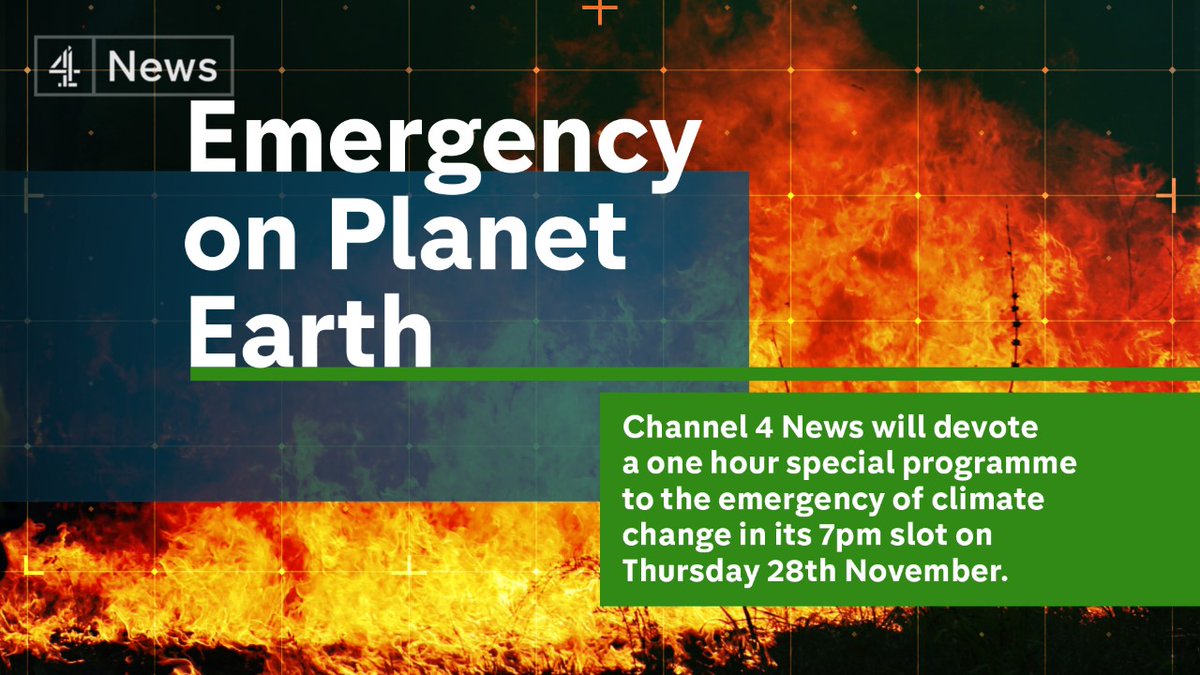
Tonight, the Channel 4 News team have a special Climate Leaders Debate at 7pm.
Image

Not all the leaders are quite as concerned about the climate emergency it seems, but our young people are.
What are their thoughts on the growing climate and nature emergencies facing our planet, not by the end of the century, but within the next few decades.
The UN report yesterday made it clear that warming is irreversible. 


I'm part of a group of Geographers who have come together under the name Geographers for Life. 
We have put together a poll which we would like to reach as many people as possible.

Follow us on our new Twitter feed @Geo4Life and share the link to the poll.

Please facilitate your students having the chance to answer it if possible over the next week. It only takes a couple of minutes.

#YouthClimatePoll #ClimateDebate


Monday, 25 November 2019

Digimap for Schools - the new version

This video explores some of the new features in version 2 of the essential Digimap for Schools service. Take a look and see what's changed. New subscribers will have access to this service, and any subscriptions that end will be automatically renewed onto the new service from now on. You can see the new mapping partners on the updated login page shown below:


I had a chance to have a sneak peek and play and the new additions really add an extra dimension to the service including basic mapping of the whole globe, a new Postcodes option and changed tool interface which works nicely.


I will be sharing some new resources and ideas in the coming months, and producing a few of them for adding to the EDINA website. It may be worth revisiting some of the existing resources to see how they might now be enhanced with the new functionality.

Saturday, 23 November 2019

Superpowers - Part 2

Hard and Soft Power is the focus for this lesson and activities.

We started by defining these terms, using examples.
The basic difference is between coercion and persuasion, and we provided some analogies to situations like classrooms.

I found this an interesting example.

Thursday, 21 November 2019

Shackleton Online - new for Y8 research

A new area of the Scott Polar Research Institute site. One of the places I always try to pop into when in Cambridge.


Sir Ernest Shackleton (1874-1922) participated in four expeditions to the Antarctic during the 'Heroic Age' of Antarctic exploration, leading three of them. He was an impressive leader, known for his bravery and ability to build camaraderie in his crews.
The Shackleton Online resource is a space where you can find out more about Shackleton’s expeditions, crew mates, the places they travelled to, and the exceptional collections of papers, photographs and objects related to Shackleton held by the Scott Polar Research Institute.

Shackleton Online features

Monday, 18 November 2019

Superpowers - Pt. 1

Superpowers is our new Year 9 unit, which was started last week with most groups.
It starts by defining SuperPowers and moving on to how they exert their power.
This can include military, economic, political and cultural power.
Some of this power is Hard and some is Soft.

British Council report on Soft Power, particularly cultural power (PDF download) is a useful resource to explore what we mean by this term.

The Cuillins

As seen on Google Earth...